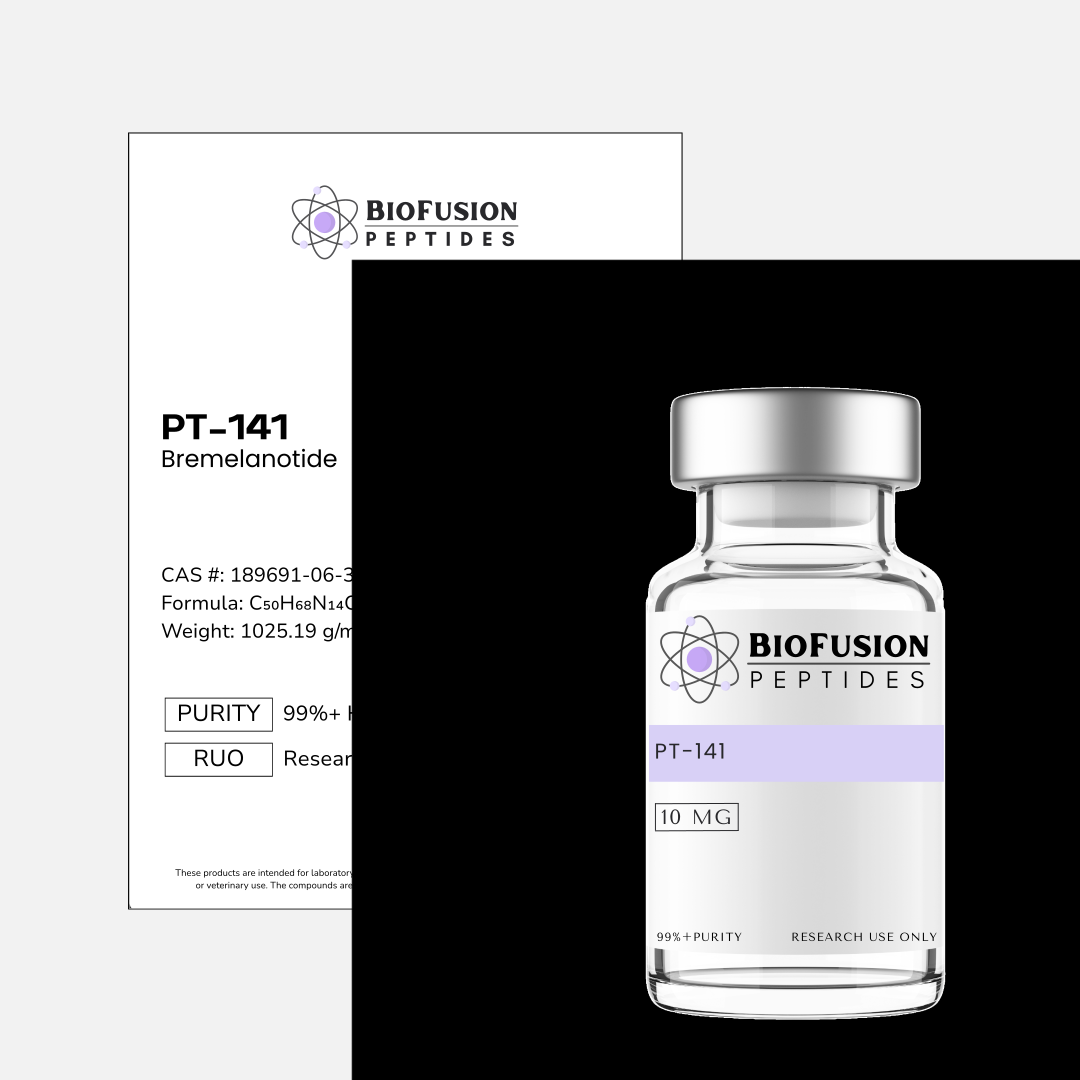
PT-141 is a synthetic peptide analogue widely referenced in scientific literature for its involvement in melanocortin receptor pathways, central regulatory signaling, and peptide–receptor interaction models. Researchers frequently evaluate this peptide in frameworks focused on MC3R and MC4R activity, intracellular signaling cascades, and neuropeptide-mediated biochemical communication. Each vial is supplied as a lyophilized peptide and undergoes third-party analytical verification to confirm identity and purity for laboratory research use.
PT-141 (Bremelanotide) is a synthetic peptide analogue frequently referenced in scientific literature for its relevance in studies involving melanocortin receptor pathways, central regulatory signaling, and peptide-receptor interaction models. Researchers commonly examine PT-141 within frameworks evaluating MC3R and MC4R receptor activity, neuropeptide-mediated communication, and molecular processes associated with central nervous system biochemical signaling.
In published research contexts, PT-141 is often discussed in investigations mapping melanocortin system dynamics, intracellular signaling cascades, and peptide-driven modulation of central regulatory pathways. Due to its recurring presence across these scientific domains, PT-141 is widely utilized in laboratory environments focused on receptor-binding analysis, neuropeptide structure–function relationships, and central pathway modeling.
This research material is supplied as a lyophilized peptide and undergoes third-party analytical verification to confirm identity and purity.
Storage: Store in a cool, dry environment away from direct light
Intended Use: Laboratory research and analytical reference only
Commitment to Analytical Verification
At BioFusion Peptides, every compound is supported by formal analytical documentation to validate composition, quality, and consistency. Certificates of Analysis serve as a cornerstone of our quality framework, providing objective data derived from standardized laboratory testing.
Each certificate reflects method-driven evaluation performed using industry-recognized analytical techniques, ensuring materials meet clearly defined specifications before release.
What Our Documentation Confirms
Compound Authentication Advanced analytical methods are used to verify molecular structure and confirm alignment with the intended reference profile.
Compositional Integrity Chromatographic analysis establishes the relative abundance of the primary compound and quantifies the presence of secondary components.
Verified Content Accuracy Measured quantities are assessed to ensure alignment between calculated concentration and documented specifications.
Quality & Safety Parameters Samples are evaluated to confirm acceptable limits for residual processing agents and the absence of microbial contamination.
Lot-Level Traceability Each unit is associated with identifiable batch records, supporting traceability and internal quality control continuity.